
Pollen Allergies and Hayfever Symptoms
- Adult
- what-are-allergies
- Seasonal
Creation: 17 Sept 2026
Last update: 17 Sept 2026
Did you know a single sneeze can expel air at speeds of up to 100 mph (approximately 160kmh)?1 From spotting peak pollen seasons to finding options for treating the telltale scratchy throat, itchy eyes, and sudden sneezing attacks, this is your guide to understanding and managing hay fever.
What Are the Pollen Seasons Causing Hay Fever?
An allergy to pollen is caused by pollen grains from trees, grasses, and weeds.2 The pollen seasons vary depending on the type of plant and where you live. In some places, tree pollen can start as early as January and last throughout the whole year. Understanding these regional and seasonal variations can help you effectively prepare for and manage your allergy symptoms.
The significance of pollen seasons
If you have hay fever, then pollen seasons are important to understand, as they determine when your hay fever symptoms are more likely to strike. Knowing when to mark peak pollen times in your calendar means you can be better prepared to tackle those pesky symptoms head-on.
Identifying peak periods for different types of pollen
Identifying the peak periods for different types of pollen is key to managing hay fever. Knowing these peak periods can help you take steps to reduce your exposure to pollen, like staying indoors when pollen counts are high and keeping windows closed during pollen season.3
Types of Pollen and Their Allergic Impact
From the springtime shower of tree pollen to the summer sway of grasses and the fall wave of weeds, let’s dive into the specifics of these seasonal suspects, and look at how they stir up our allergic reactions.4
Tree pollen: A springtime menace
In the spring, tree pollen is everywhere! Trees like Oak, Birch, and Cedar start to release their pollen. This tree pollen can make people feel sneezy and itchy, especially in the spring. If you start feeling these symptoms as winter ends, tree pollen could potentially be the reason. 4
Grass pollen: Summer’s allergenic culprit
When summer comes, grass pollen takes over. This is especially true in late spring and early summer. If you find yourself sneezing and rubbing your eyes more in the summer, grass pollen could be the cause.4
Weed pollen: Fall’s hidden allergy trigger
As summer ends and fall starts, weed pollen becomes a challenge for many. Ragweed is a common weed that causes allergies in the fall. It’s tricky because it can travel far in the air, so even if it’s not close by, it can still make you feel bad. 4
Recognizing the Symptoms of Pollen Allergies
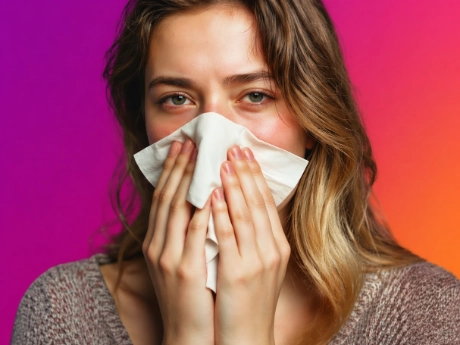
If you’re constantly sneezing, rubbing your itchy eyes, or dealing with a runny nose, you might be experiencing the not-so-fun side effects of pollen allergies. Common pollen allergy symptoms may include:
• Sneezing
• Coughing
• A runny or blocked nose
• Itchy, red, or watery eyes
• An itchy throat, mouth, nose, or ears.
Some people may also experience a loss of smell, pain around the temples and forehead, headache, earache, and feeling tired. These symptoms happen because when pollen enters the body of someone who is allergic, it triggers an immune response, leading to these uncomfortable symptoms.
Severe reactions and when to seek medical help
In some cases, pollen allergies can lead to more severe reactions. If your symptoms are getting worse, or if nothing seems to be providing relief, it's time to call in the professionals.
Preventive Strategies for Pollen Allergies
To manage pollen allergies and find relief from hay fever, you can adopt several strategies. These include both preventive measures and creating an allergy-friendly living space. You can create an allergy-friendly environment with:
• Regular cleaning: Vacuum often, use damp cloths, and wash bedding weekly for a pollen-free fortress.
• Pollen blockers: Keep windows and doors closed as much as possible during high pollen seasons to prevent pollen from getting inside. 5
• Improvements to indoor air quality: Consider using air purifiers with HEPA filters to further reduce indoor pollen levels.
• Indoor drying. Avoid outdoor drying when it comes to your laundry. Dry clothes in a dryer or inside, rather than on an outdoor line, to prevent them from catching pollen.4
By implementing some of these strategies, you can potentially reduce your exposure to pollen and alleviate the symptoms of pollen allergies commonly known as hay fever.
MAT-AU-2601775
Frequently Asked Questions
What are the most common symptoms of pollen allergy?
Pollen allergies often lead to hay fever symptoms such as a stuffy, itchy nose that runs, frequent sneezing, and discomfort in the eyes, which may become red, watery, and itchy. Additionally, individuals might experience itchiness in their ears, throat, and the roof of their mouth.4
How long can hay fever last?
Hay fever's duration can vary – some lucky folks might only deal with a few days or weeks of sneezing and itchy eyes, while others could be stuck in a months-long allergy challenge.5
What happens if hay fever is left untreated?
Untreated hay fever can cause significant sleep disruptions, leading to tiredness and reduced alertness. This can impair cognitive functions in adults, affecting work productivity, and hinder academic performance in children. Additionally, it can exacerbate chronic respiratory conditions like asthma and contribute to skin problems like eczema and hives.6
Learn more
- Adults
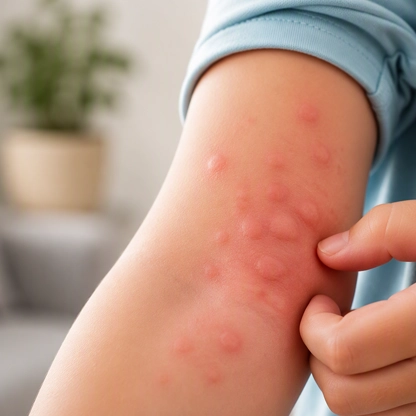
Your guide to understanding Hives

- Adult
- Treatment
What is fexofenadine?
Fexofenadine is an antihistamine that temporarily relieves allergy symptoms. Whether you are dealing with outdoor allergens, like pollen, or indoor ones, like pet dander and dust mites, fexofenadine can help relieve allergy symptoms.

- Children
All about children’s allergies
Learn about common children's allergies, symptoms, diagnosis, treatment options, prevention, and the importance of early intervention and management.
- Adult
- Other
What are Allergies?
Allergies are caused by an overreaction of the immune system to a particular substance, known as an allergen.
Find your product

%20(1).2025-10-29-07-49-32.webp)
%20(2).2025-10-29-07-47-24.webp)

%20(1).2025-10-29-07-52-24.webp)
References
- How Fast Is a Sneeze Versus a Cough? Cover Your Mouth Either Way! | American Lung Association
- Allergens and Pollen | Climate and Health | CDC
- Hay Fever (Rhinitis) | Symptoms & Treatment | ACAAI Public Website
- Tree Pollen Allergy | AAFA.org
- Hay fever - NHS
- Common Myths about Allergy and Asthma - Australasian Society of Clinical Immunology and Allergy (ASCIA)